Author Archives: Barbara Crane Navarro - Rainforest Art Project

Baird’s Tapir Tapirus bairdii — Palm Oil Detectives
Baird’s Tapir Tapirus bairdii Endangered Extant (resident): Belize; Colombia; Costa Rica; Guatemala; Honduras; Mexico; Nicaragua; Panama Extinct: El Salvador Presence Uncertain: Ecuador Baird’s tapirs may look like they are relatives of elephants, but they’re actually closer kin to horses, donkeys, … Continue reading
Posted in Uncategorized
3 Comments
This Indigenous man survived a 10-year Amazonian odyssey—but not COVID-19 (7-29-21) — Society for the Anthropology of Lowland South America
This Indigenous man survived a 10-year Amazonian odyssey—but not COVID-19 Scott Wallace / National Geographic 7-29-21 The Indigenous survivor of a deadly ambush that sent him wandering alone for 10 years across 900 miles of rugged highlands in eastern Brazil … Continue reading
Posted in Uncategorized
5 Comments
¡En el corazón de la selva tropicale! -“La magia de la Amazonia Las aventuras de Meromi, una niña Yanomami”
Originally posted on Barbara Crane Navarro:
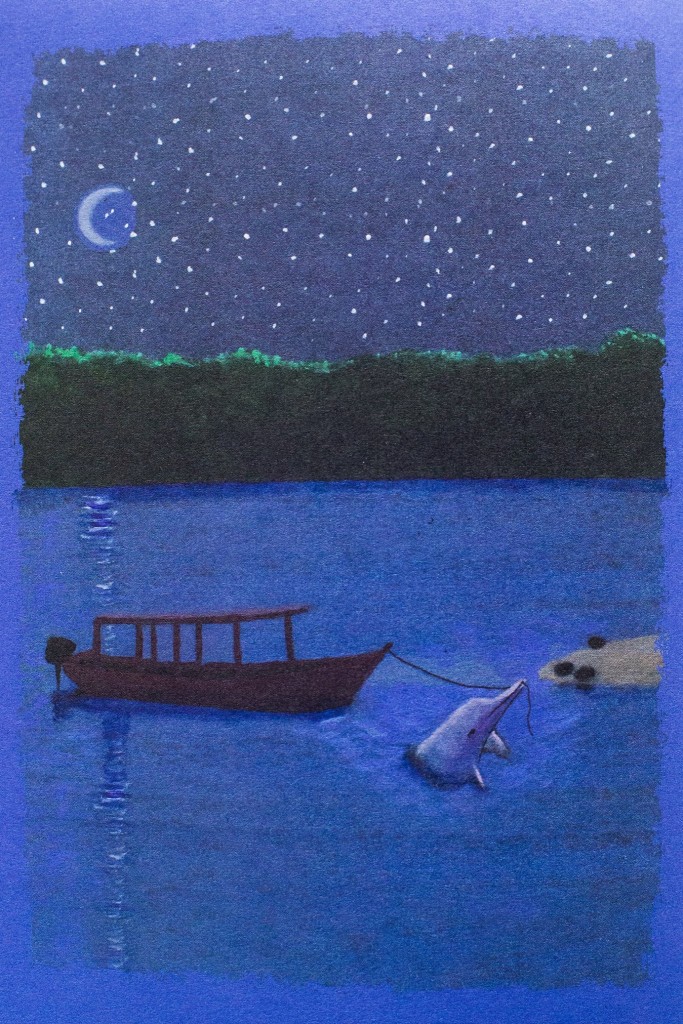
https://barbara-navarro.com/wp-content/uploads/2021/08/eee-3-book-meromi.jpg ilustración de “La magia de la Amazonia” – Las aventuras de Meromi, una niña Yanomami “ Un regalo de Navidad este año, leemos partes de este cuento en voz alta durante varias noches.…
Posted in Uncategorized
1 Comment
Varied White-fronted Capuchin Cebus versicolor — Palm Oil Detectives
Varied White-fronted Capuchin Cebus versicolor Colombia Endangered Varied White-fronted Capuchin monkeys are gregarious and social animals that live in multi-male multi-female groups of approximately 20 individuals (including young), they are territorial and actively defends territories. Varied White-fronted Capuchins live in … Continue reading
Posted in Uncategorized
4 Comments
In Order For us to have a Green Clean Future we need to Change the Way we Educate — FunWritings
When help the children to be more aware of the need for environmental care We will see more clean water and clean air In Order For us to have a Green Clean Future we need to Change the Way we Educate … Continue reading
Posted in Uncategorized
2 Comments
Au coeur de la forêt tropicale ! – “La Magie de l’Amazonie Les aventures de Meromi, une fille Yanomami”
Originally posted on Barbara Crane Navarro:
https://barbara-navarro.com/wp-content/uploads/2021/07/eee-2-book-mer.jpg illustration tirée de “La Magie de l’Amazonie Les aventures de Meromi, une fille Yanomami” Un cadeau de Noël cette année, nous avons lu des parties de ce conte à haute voix pendant plusieurs…
Posted in Uncategorized
1 Comment
Opinion: Seven strategies that offer hope for rainforests — Palm Oil Detectives
Company policies, new technologies, innovative financing and more are brightening prospects for the tropical rainforests — but time is short. February 18, 2020 — This piece was excerpted from Rainforest:Dispatches From Earth’s Most Vital Frontlines by Tony Juniper, Copyright © … Continue reading
Posted in Uncategorized
3 Comments
South America: Species Endangered by Palm Oil Deforestation — Palm Oil Detectives
As the lush equatorial rainforests of South East Asia are exhausted, increasingly focus is being placed on parts of Central and South America. Oil Palm is a growing commodity there and is found in Colombia, Brazil, Ecuador, Guatemala and Mexico. … Continue reading
Posted in Uncategorized
2 Comments
In the heart of the tropical forest! – “Amazon Rainforest Magic The adventures of Meromi, a Yanomami girl”
Originally posted on Barbara Crane Navarro:
https://barbara-navarro.com/wp-content/uploads/2021/07/eee-1-book-meromi.jpg illustration from “Amazon Rainforest Magic – The adventures of Meromi, a Yanomami girl” A Christmas present this year, we spread the telling of this story over several evenings, reading it out loud. Our…
Posted in Uncategorized
2 Comments
One-fifth of reptiles heading towards extinction — Palm Oil Detectives
Almost one-fifth of the world’s reptiles are currently threatened with extinction. A recent study assessed 1500 species for extinction risks. From the 19% found to be in danger, 12% were classified as Critically Endangered, 41% as Endangered and 47% Vulnerable. … Continue reading
Posted in Uncategorized
3 Comments