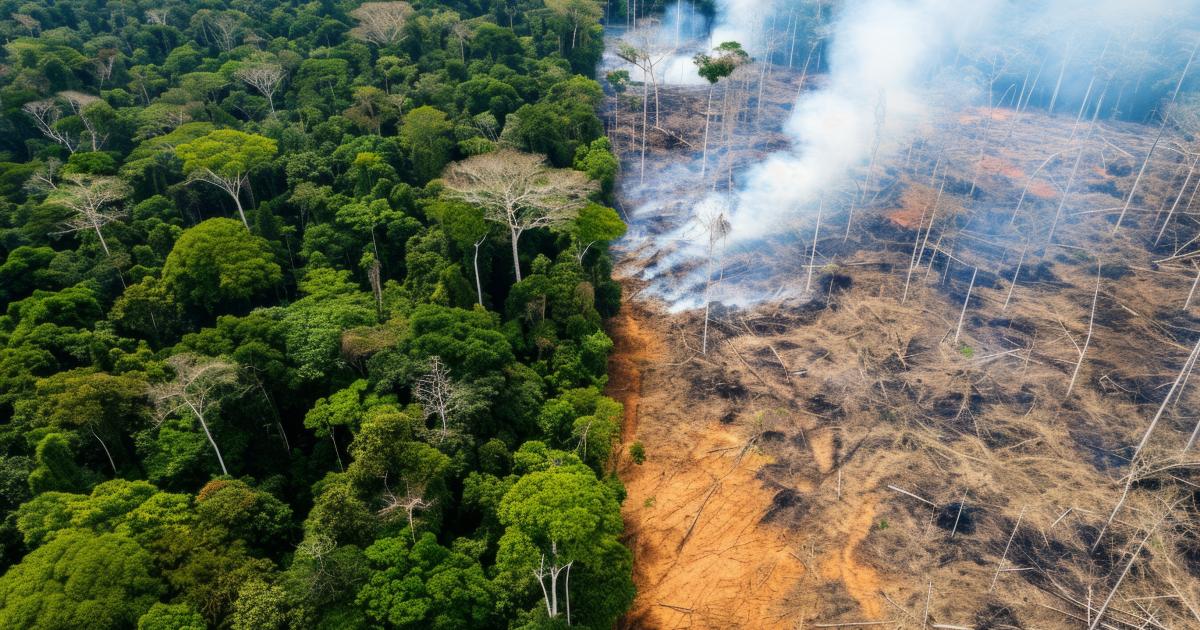
Mentre il Brasile si presenta come leader sul clima, promuove la ricerca di petrolio e gas in Amazzonia, riapre la strada BR-319 che devasta la foresta e porta avanti progetti minerari e dighe su terre Indigene. Anche se i titoli dei giornali proclamano che “la deforestazione è in calo”, la distruzione e la violenza continuano. Petrobras, ExxonMobil, Chevron e CNPC trivellano alla foce del Rio delle Amazzoni. L’agenzia di pubbliche relazioni della Shell, Edelman, è stata ingaggiata dalla presidenza brasiliana della COP 30. Perfino la fauna selvatica viene esportata per mostre zoologiche o a fini “ornamentali”, in nome della “diversificazione”. Questa non è azione per il clima — è la mercificazione della vita stessa!
Nel frattempo, a Nemours (Francia), la Bridge Gallery presenta una mostra COP30 sul tema coloniale senza tempo dello sfruttamento della fauna selvatica.
«Dal relitto della nave degli schiavi» (lavoro in corso)
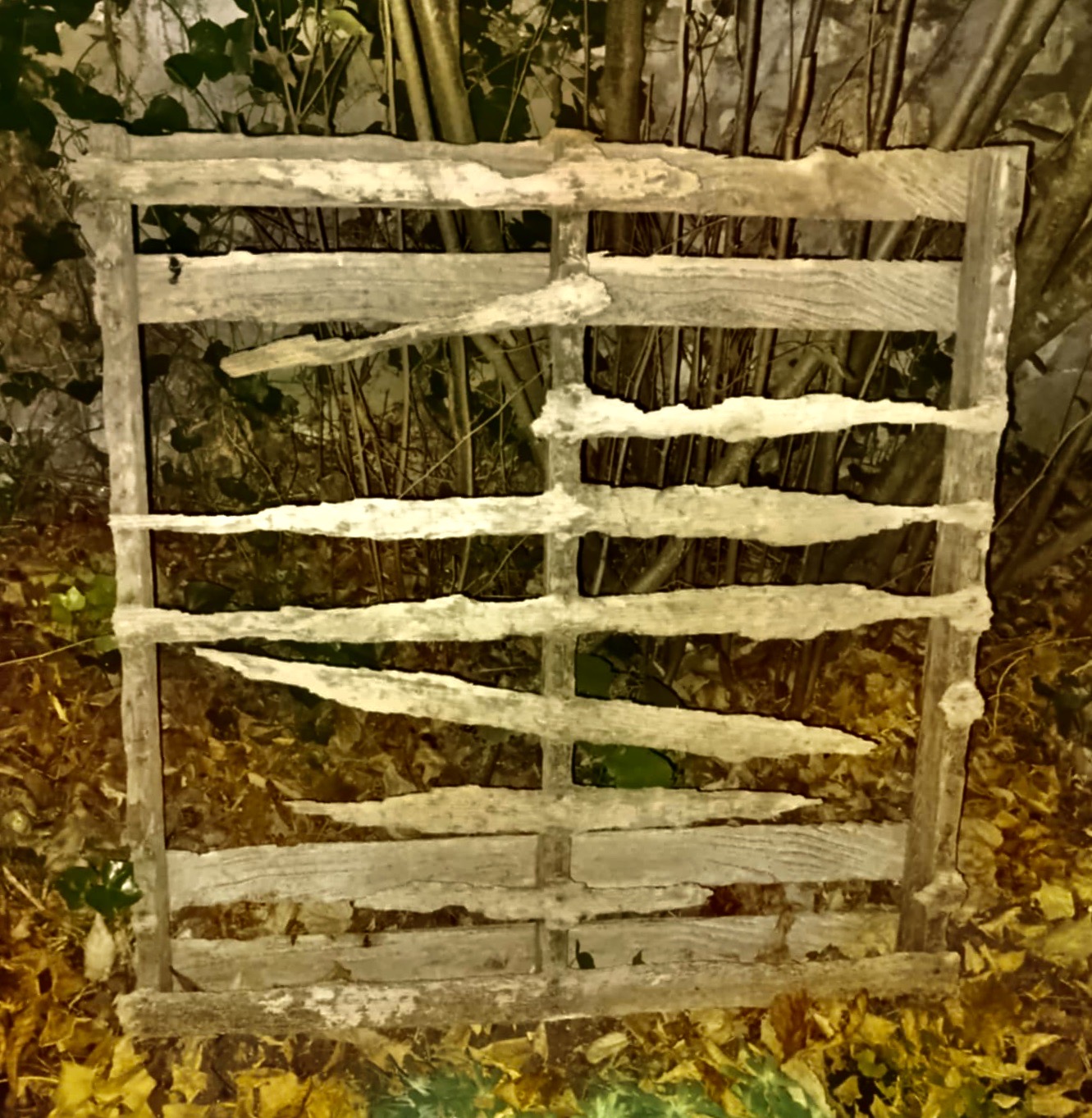
Installazione esterna – Collettivo di artisti Murukuãîa Quest’opera d’arte vivente, sostenuta dai nutrie e che si svela nel corso del tempo, prende il titolo dallo spettacolo creato da Damien Hirst sul tesoro. Invece dei miti del lusso, evoca i veri naufragi della storia: le navi degli schiavi, l’oro insanguinato, i fiumi avvelenati. All’esterno, non sarà mai «finita»: gli uccelli vi aggiungeranno le loro scritte bianche, i ragni vi tesseranno le loro ragnatele, i funghi e i licheni ne ricopriranno lentamente le superfici. Altri artisti, umani e non umani, continueranno a partecipare, modificando e approfondendo l’opera in modo imprevedibile. È un’installazione che rifiuta la fissità: un promemoria che la resistenza, come la decomposizione, è sempre in movimento.
About Barbara Crane Navarro - Rainforest Art Project
I'm a French artist living near Paris.
From 1968 to 1973 I studied at Rhode Island School of Design in Providence, Rhode Island, then at the San Francisco Art Institute in San Francisco, California, for my BFA.
My work for many decades has been informed and inspired by time spent with indigenous communities. Various study trips devoted to the exploration of techniques and natural pigments took me originally to the Dogon of Mali, West Africa, and subsequently to Yanomami communities in Venezuela and Brazil.
Over many years, during the winters, I studied the techniques of traditional Bogolan painting. Hand woven fabric is dyed with boiled bark from the Wolo tree or crushed leaves from other trees, then painted with mud from the Niger river which oxidizes in contact with the dye.
Through the Dogon and the Yanomami, my interest in the multiplicity of techniques and supports for aesthetic expression influenced my artistic practice. The voyages to the Amazon Rainforest have informed several series of paintings created while living among the Yanomami. The support used is roughly woven canvas prepared with acrylic medium then textured with a mixture of sand from the river bank and lava. This supple canvas is then rolled and transported on expeditions into the forest. They are then painted using a mixture of acrylic colors and Achiote and Genipap, the vegetal pigments used by the Yanomami for their ritual body paintings and on practical and shamanic implements.
My concern for the ongoing devastation of the Amazon Rainforest has inspired my films and installation projects. Since 2005, I've created a perfomance and film project - Fire Sculpture - to bring urgent attention to Rainforest issues. To protest against the continuing destruction, I've publicly set fire to my totemic sculptures. These burning sculptures symbolize the degradation of nature and the annihilation of indigenous cultures that depend on the forest for their survival.

 Barbara Crane Navarro
Pingback: COP30 — Un’altra farsa climatica! | Barbara Crane Navarro | Ned Hamson's Second Line View of the News