Mientras Brasil se presenta como líder climático, impulsa la exploración de petróleo y gas en la Amazonía, reactiva la carretera BR-319 que destruye la selva y avanza con proyectos mineros y represas en territorios indígenas. Aunque los titulares proclaman que “la deforestación está bajando”, la destrucción y la violencia continúan. Petrobras, ExxonMobil, Chevron y CNPC perforan en busca de petróleo y gas en la desembocadura del río Amazonas. La agencia de relaciones públicas de Shell, Edelman, fue contratada por la presidencia brasileña de la COP 30. Incluso la fauna silvestre se exporta para exhibiciones zoológicas o con fines “ornamentales”, en nombre de la “diversificación”. Esto no es acción climática — es la mercantilización de la vida misma.
Mientras tanto, en Nemours (Francia), la Bridge Gallery presenta una exposición COP30 sobre el tema colonial intemporal de la explotación de la fauna silvestre.
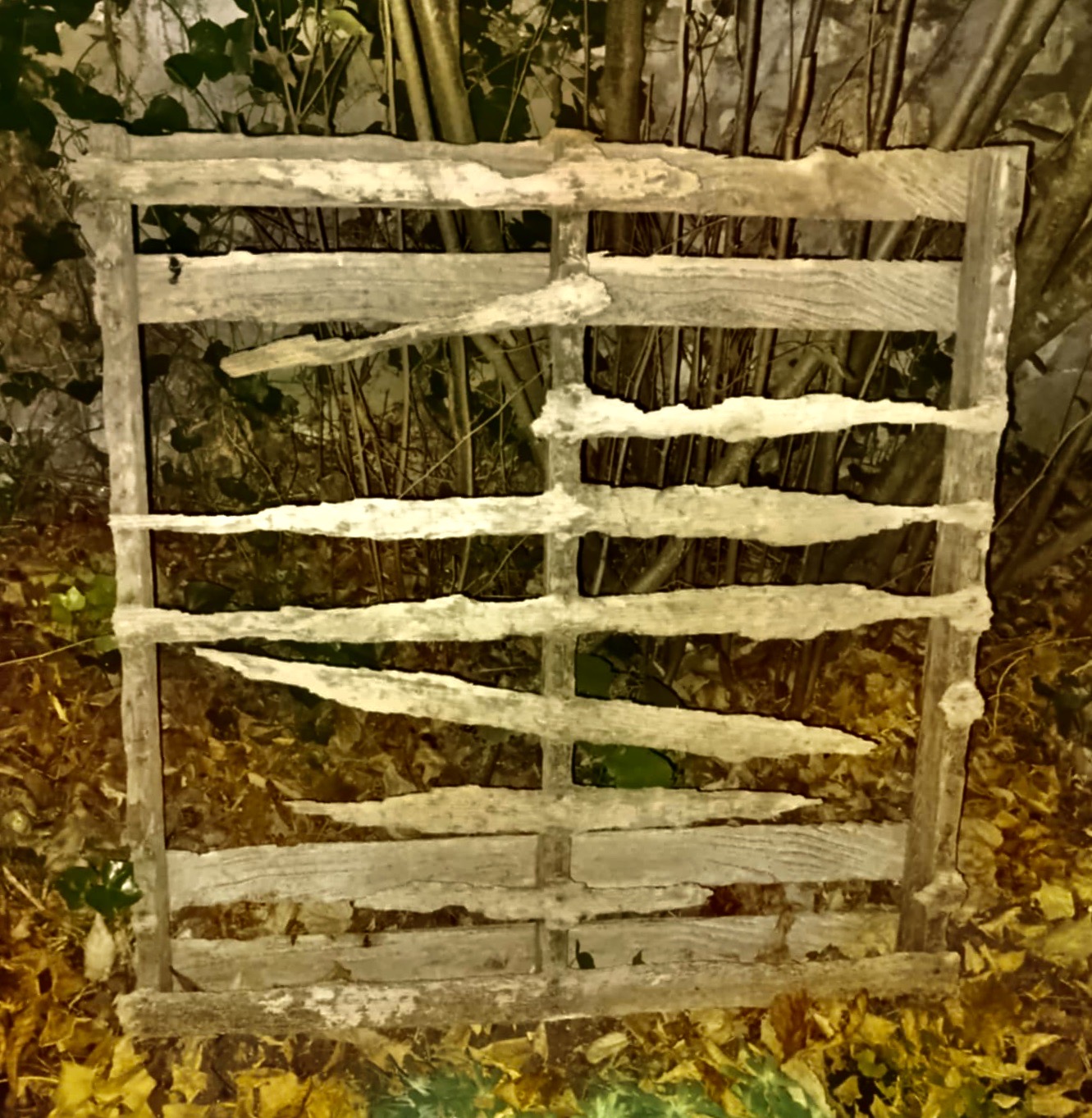
«Del naufragio del barco de esclavos» (obra en curso)
Instalación exterior – Colectivo de artistas Murukuãîa Esta obra de arte viva, sostenida por nutrias y que se va revelando con el paso del tiempo, toma su título del espectáculo creado por Damien Hirst en torno al tesoro. En lugar de los mitos del lujo, evoca los verdaderos naufragios de la historia: los barcos de esclavos, el oro manchado de sangre, los ríos envenenados. En el exterior, nunca estará «terminada»: las aves añadirán sus inscripciones blancas, las arañas tejerán sus telas, los hongos y los líquenes cubrirán lentamente sus superficies. Otros artistas, humanos y no humanos, seguirán participando en ella, modificando y profundizando la obra de forma impredecible. Es una instalación que rechaza la fijeza: un recordatorio de que la resistencia, al igual que la descomposición, está siempre en movimiento.
About Barbara Crane Navarro - Rainforest Art Project
I'm a French artist living near Paris.
From 1968 to 1973 I studied at Rhode Island School of Design in Providence, Rhode Island, then at the San Francisco Art Institute in San Francisco, California, for my BFA.
My work for many decades has been informed and inspired by time spent with indigenous communities. Various study trips devoted to the exploration of techniques and natural pigments took me originally to the Dogon of Mali, West Africa, and subsequently to Yanomami communities in Venezuela and Brazil.
Over many years, during the winters, I studied the techniques of traditional Bogolan painting. Hand woven fabric is dyed with boiled bark from the Wolo tree or crushed leaves from other trees, then painted with mud from the Niger river which oxidizes in contact with the dye.
Through the Dogon and the Yanomami, my interest in the multiplicity of techniques and supports for aesthetic expression influenced my artistic practice. The voyages to the Amazon Rainforest have informed several series of paintings created while living among the Yanomami. The support used is roughly woven canvas prepared with acrylic medium then textured with a mixture of sand from the river bank and lava. This supple canvas is then rolled and transported on expeditions into the forest. They are then painted using a mixture of acrylic colors and Achiote and Genipap, the vegetal pigments used by the Yanomami for their ritual body paintings and on practical and shamanic implements.
My concern for the ongoing devastation of the Amazon Rainforest has inspired my films and installation projects. Since 2005, I've created a perfomance and film project - Fire Sculpture - to bring urgent attention to Rainforest issues. To protest against the continuing destruction, I've publicly set fire to my totemic sculptures. These burning sculptures symbolize the degradation of nature and the annihilation of indigenous cultures that depend on the forest for their survival.


 Barbara Crane Navarro
Pingback: ¡COP30 — Otra farsa climática! | Barbara Crane Navarro | Ned Hamson's Second Line View of the News