Enquanto o Brasil se apresenta como líder climático, promove a exploração de petróleo e gás na Amazônia, reativa a rodovia BR-319 que destrói a floresta e avança com projetos de mineração e barragens em terras indígenas. Embora as manchetes proclamem que “o desmatamento está diminuindo”, a destruição e a violência continuam. Petrobras, ExxonMobil, Chevron e CNPC perfuram em busca de petróleo e gás na foz do rio Amazonas. A agência de relações públicas da Shell, Edelman, foi contratada pela presidência brasileira da COP 30. Até a fauna silvestre está sendo exportada para exposições zoológicas e fins “ornamentais”, em nome da “diversificação”. Isto não é ação climática — é a mercantilização da própria vida.
Enquanto isso, em Nemours (França), a Bridge Gallery apresenta uma exposição COP30 sobre o tema colonial atemporal da exploração da fauna silvestre.
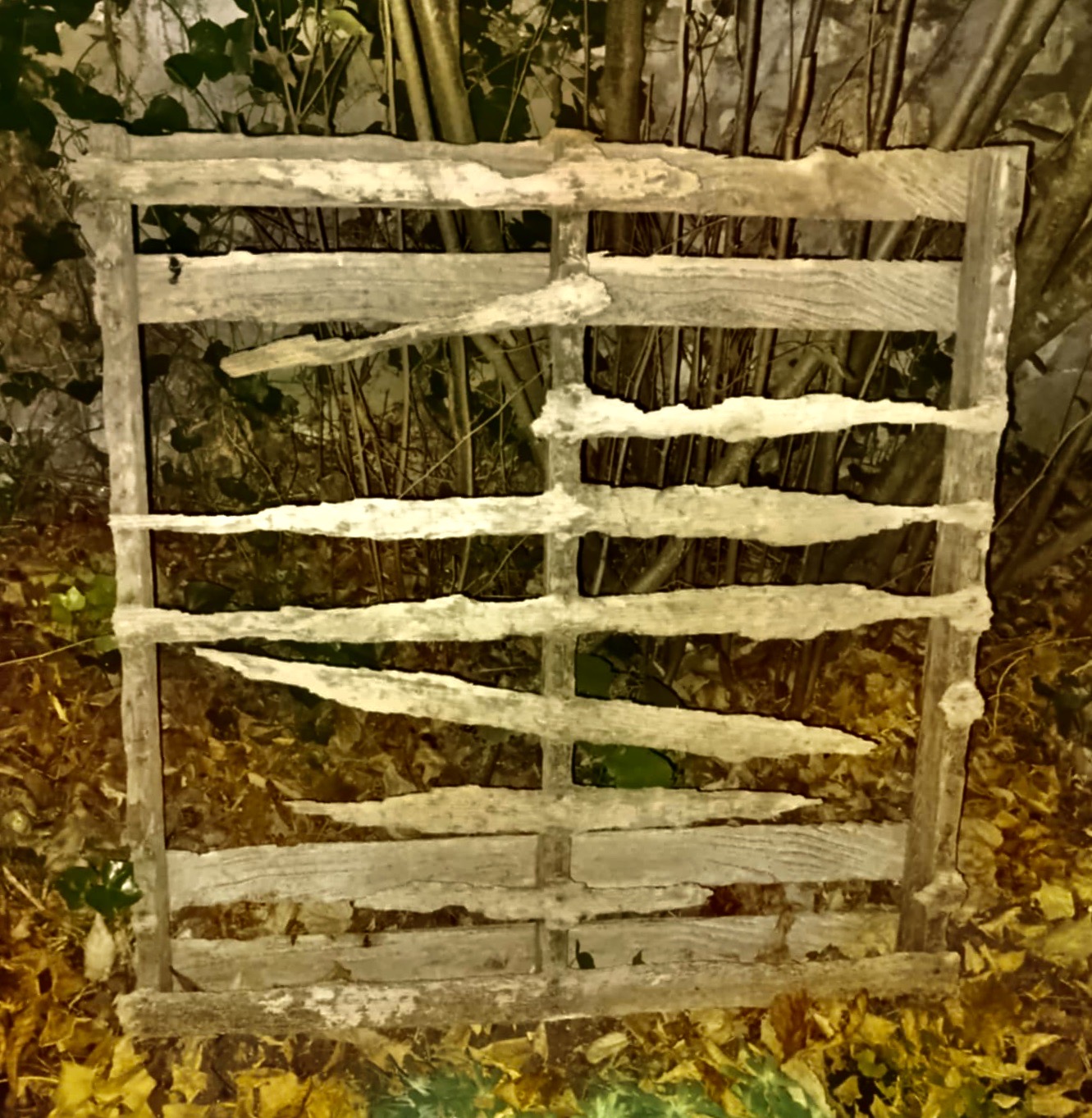
“Do naufrágio do navio de escravos” (trabalho em andamento)
Instalação externa – Coletivo de artistas Murukuãîa Esta obra de arte viva, sustentada por nutrias e revelada ao longo do tempo, tem seu título inspirado no espetáculo criado por Damien Hirst em torno do tesouro. Em vez dos mitos do luxo, ela evoca os verdadeiros naufrágios da história: os navios de escravos, o ouro sangrento, os rios envenenados. No exterior, ela nunca estará “concluída”: os pássaros acrescentarão suas inscrições brancas, as aranhas tecerão suas teias, os cogumelos e os líquenes cobrirão lentamente as superfícies. Outros artistas, humanos e não humanos, continuarão a participar, modificando e aprofundando a obra de maneira imprevisível. É uma instalação que recusa a fixidez: um lembrete de que a resistência, assim como a decomposição, está sempre em movimento.
About Barbara Crane Navarro - Rainforest Art Project
I'm a French artist living near Paris.
From 1968 to 1973 I studied at Rhode Island School of Design in Providence, Rhode Island, then at the San Francisco Art Institute in San Francisco, California, for my BFA.
My work for many decades has been informed and inspired by time spent with indigenous communities. Various study trips devoted to the exploration of techniques and natural pigments took me originally to the Dogon of Mali, West Africa, and subsequently to Yanomami communities in Venezuela and Brazil.
Over many years, during the winters, I studied the techniques of traditional Bogolan painting. Hand woven fabric is dyed with boiled bark from the Wolo tree or crushed leaves from other trees, then painted with mud from the Niger river which oxidizes in contact with the dye.
Through the Dogon and the Yanomami, my interest in the multiplicity of techniques and supports for aesthetic expression influenced my artistic practice. The voyages to the Amazon Rainforest have informed several series of paintings created while living among the Yanomami. The support used is roughly woven canvas prepared with acrylic medium then textured with a mixture of sand from the river bank and lava. This supple canvas is then rolled and transported on expeditions into the forest. They are then painted using a mixture of acrylic colors and Achiote and Genipap, the vegetal pigments used by the Yanomami for their ritual body paintings and on practical and shamanic implements.
My concern for the ongoing devastation of the Amazon Rainforest has inspired my films and installation projects. Since 2005, I've created a perfomance and film project - Fire Sculpture - to bring urgent attention to Rainforest issues. To protest against the continuing destruction, I've publicly set fire to my totemic sculptures. These burning sculptures symbolize the degradation of nature and the annihilation of indigenous cultures that depend on the forest for their survival.


 Barbara Crane Navarro
Pingback: COP30 — Outra farsa climática! | Barbara Crane Navarro | Ned Hamson's Second Line View of the News