Alors que le Brésil se présente comme un leader du climat, il encourage le forage pétrolier et gazier en Amazonie, relance la route BR-319 qui dévaste la forêt, et multiplie les projets miniers et de barrages sur les terres autochtones. Tandis que les gros titres se vantent que « la déforestation diminue », la destruction et la violence se poursuivent. Petrobras, ExxonMobil, Chevron et CNPC forent du pétrole et du gaz à l’embouchure de l’Amazone. L’agence de relations publiques d’Achille, Edelman — celle de Shell — a été engagée par la présidence brésilienne de la COP 30. Même la faune sauvage est exportée pour des expositions zoologiques ou des fins « ornementales », au nom de la « diversification ». Ce n’est pas une action climatique — c’est la marchandisation du vivant.
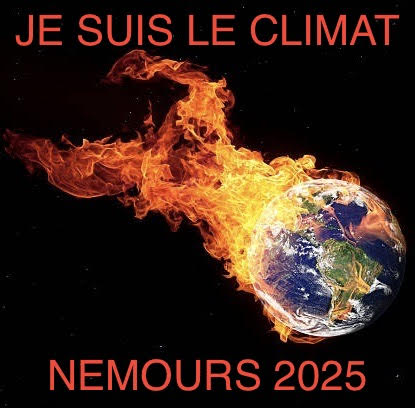
Pendant ce temps, à Nemours (France), la Bridge Gallery présente une exposition COP30 sur le thème colonial intemporel de l’exploitation de la faune sauvage.
« De l’épave du navire d’esclaves » (travail en cours)
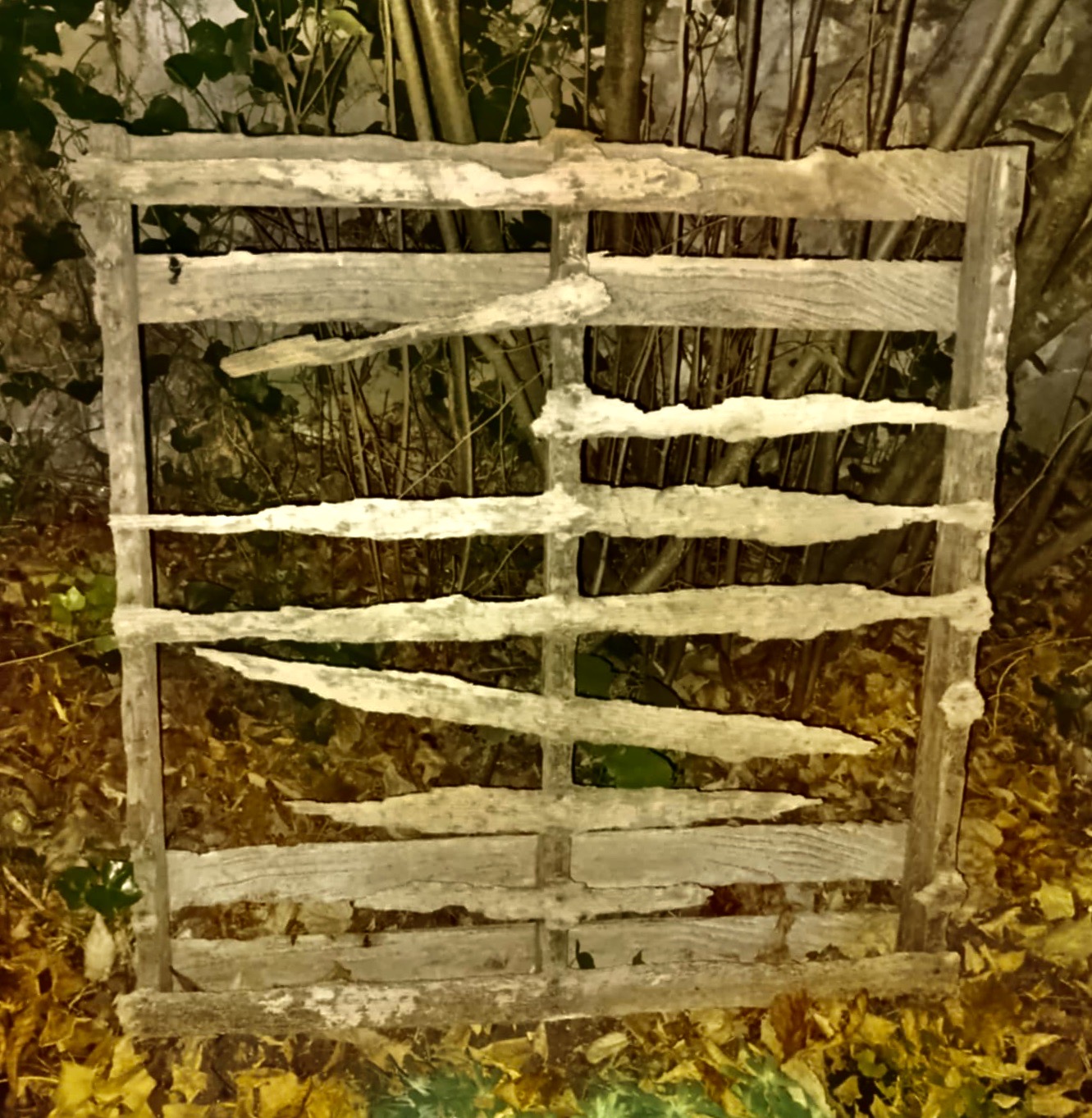
Installation extérieure – Collectif d’artistes Murukuãîa Cette œuvre d’art vivante, portée par les ragondins et se dévoilant au fil du temps, tire son titre du spectacle fabriqué de Damien Hirst autour du trésor. Au lieu des mythes du luxe, elle évoque les véritables naufrages de l’histoire : les navires d’esclaves, l’or sanglant, les rivières empoisonnées. À l’extérieur, elle ne sera jamais « terminée » : les oiseaux y ajouteront leurs inscriptions blanches, les araignées y tisseront leurs toiles, les champignons et les lichens en recouvriront lentement les surfaces. D’autres artistes, humains et non humains, continueront à y participer, modifiant et approfondissant l’œuvre de manière imprévisible. C’est une installation qui refuse la fixité : un rappel que la résistance, comme la décomposition, est toujours en mouvement.
About Barbara Crane Navarro - Rainforest Art Project
I'm a French artist living near Paris.
From 1968 to 1973 I studied at Rhode Island School of Design in Providence, Rhode Island, then at the San Francisco Art Institute in San Francisco, California, for my BFA.
My work for many decades has been informed and inspired by time spent with indigenous communities. Various study trips devoted to the exploration of techniques and natural pigments took me originally to the Dogon of Mali, West Africa, and subsequently to Yanomami communities in Venezuela and Brazil.
Over many years, during the winters, I studied the techniques of traditional Bogolan painting. Hand woven fabric is dyed with boiled bark from the Wolo tree or crushed leaves from other trees, then painted with mud from the Niger river which oxidizes in contact with the dye.
Through the Dogon and the Yanomami, my interest in the multiplicity of techniques and supports for aesthetic expression influenced my artistic practice. The voyages to the Amazon Rainforest have informed several series of paintings created while living among the Yanomami. The support used is roughly woven canvas prepared with acrylic medium then textured with a mixture of sand from the river bank and lava. This supple canvas is then rolled and transported on expeditions into the forest. They are then painted using a mixture of acrylic colors and Achiote and Genipap, the vegetal pigments used by the Yanomami for their ritual body paintings and on practical and shamanic implements.
My concern for the ongoing devastation of the Amazon Rainforest has inspired my films and installation projects. Since 2005, I've created a perfomance and film project - Fire Sculpture - to bring urgent attention to Rainforest issues. To protest against the continuing destruction, I've publicly set fire to my totemic sculptures. These burning sculptures symbolize the degradation of nature and the annihilation of indigenous cultures that depend on the forest for their survival.

 Barbara Crane Navarro